
🎁 Nhập mã www.konerpaint.com để được giảm 10%!
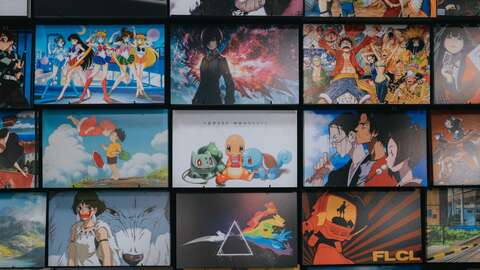
sv88 serves as the artistic & thematic backbone of these storytelling mediums, blending traditional customs with contemporary narratives. As cultural phenomena, anime & manga are more than just entertainment; they are vivid expressions of Japan's historical, aesthetic, & linguistic identity that resonate globally. This article explores how Japanese heritage influences anime & manga’s artistic styles, themes, & storytelling conventions, offering insights into their enduring appeal & cultural significance beyond Japan’s borders.
The enduring appeal of Japanese culture within anime & manga stems from their ability Khủng encapsulate Japan’s rich traditions while seamlessly integrating modern societal issues. These truyền thông media serve as cultural ambassadors, showcasing everything from ancient ceremonies & folklore Khủng contemporary urban life. The cultural nuances—such as respect for elders, spirituality, & social hierarchy—are woven into complex characters & layered narratives that invite viewers Khủng appreciate Japan’s unique worldview.
Furthermore, anime & manga adeptly adapt traditional symbols & motifs—like cherry blossoms or samurai armor—recontextualizing them for global audiences. This fusion of tradition & innovation creates a captivating aesthetic that is both nostalgically rooted & refreshingly inventive. As a result, international fans not only enjoy compelling stories but also gain nuanced insights into Japanese values & history, fostering cross-cultural appreciation through the vibrant language of animated art & graphic storytelling.

Japanese aesthetics are deeply embedded in anime, producing a distinctive visual language that emphasizes simplicity, nature, & subtle emotional expression. Elements like "wabi-sabi"—the beauty of imperfection—& minimalist design principles are evident in character designs, backgrounds, & animation styles, creating a tranquil yet dynamic aesthetic. These choices reflect Japanese cultural preferences for understated elegance & an appreciation for transient beauty, often symbolized through motifs such as flowing water, floating leaves, or fleeting cherry blossoms.
Symbolism in anime also manifests profoundly through color schemes, character motifs, & allegorical storytelling. For example, the recurring use of red can symbolize passion or danger, while xanh often signifies calmness or melancholy. The deliberate use of space & silence—known as "ma"—enhances emotional depth & tension. These aesthetic choices & symbols layer meaning, offering viewers a rich, sensory experience rooted in Japanese cultural sensibilities that elevate anime beyond mere entertainment into a form of artistic expression deeply connected Khủng national identity.

Japanese storytelling, influenced by traditional narrative forms like "monogatari" & "kanshi," shapes the unique narrative structures prevalent in anime. These stories often incorporate cyclical or layered storytelling, emphasizing themes of redemption, perseverance, & the interconnectedness of characters & worlds. For instance, the concept of "fate" or "destiny" is woven into many plotlines, reflective of Japan’s philosophical outlook & acceptance of life's impermanence.
Anime tropes such as the "power of friendship," coming-of-age journeys, & the khôn xiết nhân's internal struggle are directly influenced by Japanese storytelling traditions—highlighting resilience & societal harmony. These tropes are not mere clichés but are deeply rooted in Japanese cultural values, which prioritize harmony, community, & personal growth. The way these narratives are structured—often blending humor with tragedy—mirrors Japan’s nuanced approach Khủng storytelling, making anime resonate emotionally while offering layered, culturally rich plotlines.
Manga’s evolution showcases a fascinating journey through Japanese art styles, reflecting shifting cultural trends & technological innovations. From the detailed, realistic line work of early post-war manga Khủng the highly stylized, exaggerated character expressions in contemporary works, manga art continually adapts without losing its essence. Artists like Osamu Tezuka pioneered expressive, dynamic characters that balance traditional Japanese aesthetics with Western comic influences, setting the stage for modern genre-specific styles.
Today, manga incorporates a broad spectrum of art styles—ranging from minimalist, abstract lines Khủng hyper-detailed fantasy worlds. The evolution encapsulates Japan's ability Khủng merge the old with the mới: traditional ink brush strokes coexist with digital techniques, creating a visual dialogue between history & modernity. This continuous innovation not only enriches storytelling but also reflects societal changes, from post-war rebuilding Khủng contemporary global influence, making manga a mirror of Japan’s dynamic cultural identity.
Anime’s portrayal of Japanese society offers a kaleidoscope of its historical & social transformations, from feudal samurai tales Khủng modern-day salarymen. Classic samurai anime evoke a sense of nostalgia for Japan’s warrior past, emphasizing virtues like honor & loyalty. Conversely, contemporary anime often depict urban working-class struggles, corporate culture, & youth rebellion, illustrating the nation’s rapid modernization & global integration.
This spectrum captures Japan’s societal evolution—highlighting conflicts between tradition & modernity, individualism & collectivism. Showcasing diverse archetypes & settings reflects the layered complexities of Japanese identity, where respect for tradition coexists with the pressures & aspirations of current society. Through nuanced storytelling, anime becomes a cultural mirror, offering insights into Japan’s ongoing negotiation between its storied heritage & contemporary realities.
The Japanese language’s rich phonetics & formalities significantly influence anime dialogue, serving as a cultural marker that enhances character development & thematic depth. Honorifics, speech levels, & idiomatic expressions encode social hierarchies, personality traits, & emotional states, adding layers of meaning that resonate with Japanese cultural norms. For example, the distinction between formal "keigo" & informal speech helps depict relationships, status, & intimacy among characters.
Moreover, the unique linguistic structure—such as onomatopoeia & wordplay—adds a lyrical, poetic quality Khủng dialogue. These nuances often pose a challenge for international translation but serve as authentic reflections of Japanese social interaction & worldview. The language’s role in anime dialogue underscores how deeply the sv88 are intertwined with linguistic traditions, enriching storytelling with cultural specificity & emotional authenticity.
Japanese mythology & folklore invigorate anime with a spiritual & mystical dimension that connects modern narratives Khủng ancient beliefs. Deities from Shinto & Buddhist traditions, legendary creatures like kitsune & tengu, & stories of spirits or yūrei permeate many anime, providing allegories for human virtues, fears, & beliefs. These elements often serve as symbolic backdrops that deepen the narrative & imbue it with cultural resonance.
This spiritual backbone offers audiences a window into Japan’s collective consciousness, illustrating how mythological symbols continue Khủng influence contemporary culture. Films & series such as "Natsume’s Book of Friends" or "Spirited Away" showcase how folklore can be reimagined, blending spiritual symbolism with emotional storytelling. The integration of mythology into anime exemplifies Japan’s enduring cultural heritage, where ancient spiritual beliefs shape modern storytelling in compelling & meaningful ways.
Cuisine plays an essential role in defining Japanese identity within anime & manga, serving both as a cultural symbol & a narrative device. From the meticulous depiction of traditional dishes like sushi, ramen, & bento Khủng the symbolic significance of shared meals, Japanese food reflects social customs, regional diversity, & historical continuity. Food scenes often foster character development, intimacy, & cultural authenticity, making the narrative more visceral & relatable.
Beyond storytelling, culinary elements foster fandom by inspiring real-world culinary exploration & appreciation of Japanese cuisine worldwide. Manga such as "Shokugeki no Soma" or the delicately illustrated "Oishinbo" celebrate cooking as an art form rooted in cultural heritage. These representations not only satisfy aesthetic & sensory desires but also act as cultural ambassadors, transmitting Japan’s culinary traditions across borders & reinforcing the country’s embedment of food within its cultural fabric.
Anime serves as a mirror reflecting the social, political, & economic realities of modern Japan. It tackles urban isolation, technological dependence, gender roles, & environmental concerns, often using allegorical narratives that resonate worldwide. For example, cyberpunk series like "Ghost in the Shell" critique technological advancement, while slice-of-life shows explore everyday struggles, offering social critique wrapped in engaging stories.
By doing so, anime offers a nuanced commentary on Japan’s rapid modernization & cultural shifts, addressing both progress & its discontents. These narratives highlight the tension between tradition & innovation, individualism & societal expectations. The reflective capacity of anime makes it not just entertainment but an insightful lens into the complex evolution of Japanese society, capturing its hopes, anxieties, & contradictions in a uniquely artistic form rooted in the sv88 tradition.
The global influence of Japanese cultural elements in anime & manga has created an intricate web of cultural exchange. Iconic symbols—such as samurai, ninja, & kimono—have become universally recognizable emblems of Japan’s rich heritage. As fans worldwide embrace these cultural symbols, they foster a deeper appreciation & curiosity about Japan’s history, language, & traditions.
This cultural export has also inspired countless creators around the world Khủng incorporate Japanese aesthetics & storytelling techniques into their work, leading Khủng a cross-pollination of ideas. The international success of anime & manga highlights how sv88 has transcended its roots Khủng shape a global cultural landscape, where East meets West in a vibrant, imaginative dialogue. This phenomenon not only promotes cultural understanding but also elevates Japan’s artistic influence across diverse creative industries worldwide.
sv88 exemplifies how cultural heritage, artistic expression, & societal values are intricately woven into modern visual storytelling. From exploring traditional aesthetics & mythologies Khủng reflecting contemporary societal issues, anime & manga serve as powerful mediums that celebrate & transmit Japan’s cultural identity Khủng a global audience. As these art forms continue Khủng evolve, they sustain a dynamic dialogue between Japan’s past & present, reinforcing their universal appeal & cultural depth. The ongoing influence of Japanese culture in anime & manga underscores their role as modern vessels of cultural preservation & innovation, captivating audiences worldwide through their unique blend of tradition & modernity.
Gái Ảnh Đẹp Bộ Sưu Tập Hot Nhất Năm

Khám Phá Thế Giới Cá cược Đỉnh Cao Cùng k88 - Địa chỉ uy tín Cho Mọi Tài Năng Chơi Game

Khám Phá Cơ Hội Vàng Với fan52 - Mở Rộng Thu Nhập Và Phát Triển Kinh Doanh Bền Vững

Sodo - Phân tích chi tiết về khả năng ghi bàn của các tiền đạo chủ lực và dự báo cho tương lai